Historic Centre Tour
Casa de la Libertad, cathedral and convent courtyards.
Famous Cities
Discover the world
Interesting places. Incredible stories. Better stays.
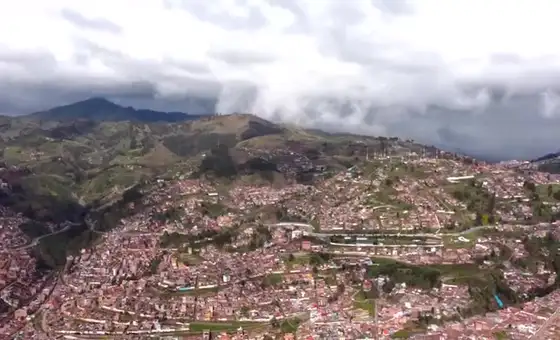
Sucre is where Bolivia became Bolivia: independence was declared in 1825 in the Casa de la Libertad. Named for revolutionary Antonio José de Sucre, the city of whitewashed buildings and red tile roofs is the country's constitutional capital — though the government sits in La Paz.
The whole colonial centre is a UNESCO World Heritage Site, built with silver wealth from nearby Potosí. The cathedral towers over Plaza 25 de Mayo, convents hide quiet courtyards, and the markets sell weavings from the surrounding Quechua villages.
On the city edge, the Cal Orck'o cliff displays over 5,000 dinosaur footprints tilting up a cement quarry wall — the largest collection of tracks ever found. Sucre's gentle 2,800-metre altitude and springlike climate make it Bolivia's favourite place to linger and learn Spanish.
Popular tours and tickets. Compare prices and book ahead to skip the lines.
Casa de la Libertad, cathedral and convent courtyards.
See the 5,000-footprint cliff at the cement quarry.
Traditional weavings and mountain-village culture.
Learn Bolivian dishes and taste the city's chocolate.
Pick your dates once and search hotels, homes, flights and tours on every major site.
Tour prices change by date and group size, so each site opens with your search ready to check today's price.
Starting prices checked on Nov 9 on each company's site. Prices depend on age, country and dates; confirm before you buy.
We may earn a commission when you book through our links, at no extra cost to you.
Independence was proclaimed at the Casa de la Libertad in 1825.
Colonial law required buildings to be whitewashed — the tradition that earned the nickname survives today.
Sucre is the constitutional capital; La Paz holds the government. Bolivia refuses to choose.
Cal Orck'o's near-vertical cliff shows over 5,000 footprints from at least 8 dinosaur species.
Sucre's churches and convents were built with fortunes from Potosí's silver mountain.
At 2,810 metres, Sucre is kinder to visitors than La Paz — and the climate is famously mild.
Tarabuco's Sunday market brings weavers in traditional dress from mountain villages.
The pink Castillo de la Glorieta was a prince's folly, mixing architectural styles freely.
Sucre's university, founded in 1624, is one of the oldest in the Americas.
The capital prints its money? No — but the coin and currency museum explains Bolivia's minting history.
Tap the button for a random fact about Sucre.
Sucre is in Bolivia, in South America.
The greater Sucre area is home to about 300,000 people.
Bolivia's whitewashed constitutional capital is a UNESCO colonial jewel where independence was declared, dinosaur footprints climb a cliff and the altitude is mercifully kind.
If these guides helped you plan a trip, or just daydream about one, you can say thanks with a coffee. Every bit keeps the site independent and free.